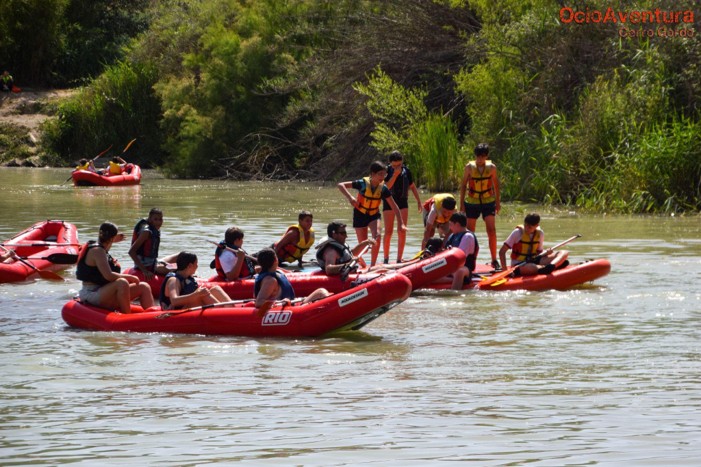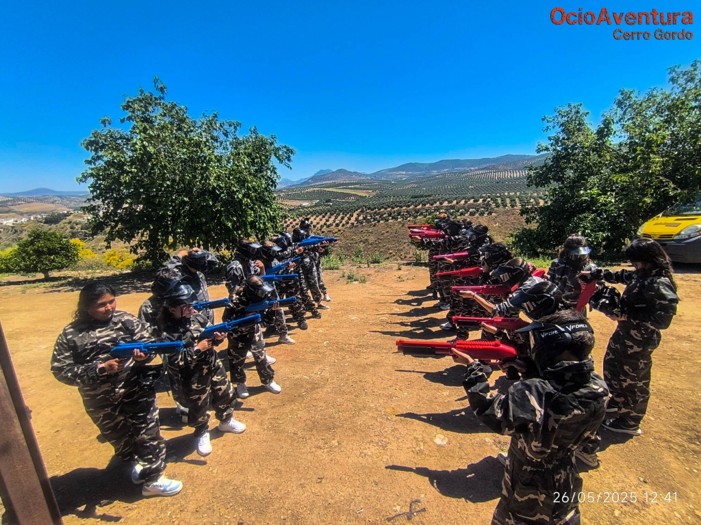
An outdoor adventure day is more than a fun break from the classroom. When it is carefully planned, it becomes an educational experience in which students build relationships, make decisions, face manageable challenges and cooperate in a natural setting.
Activities such as rafting, archery, orientation courses and cooperative games develop personal and social skills through direct experience.
Learning beyond the classroom
During an adventure activity, students become active participants. Each challenge requires them to listen, understand rules, organise themselves and act. This makes learning practical and memorable.
The aim is not to find the fastest or bravest student, but to help the whole group progress safely and effectively.
Positive relationships and group cohesion
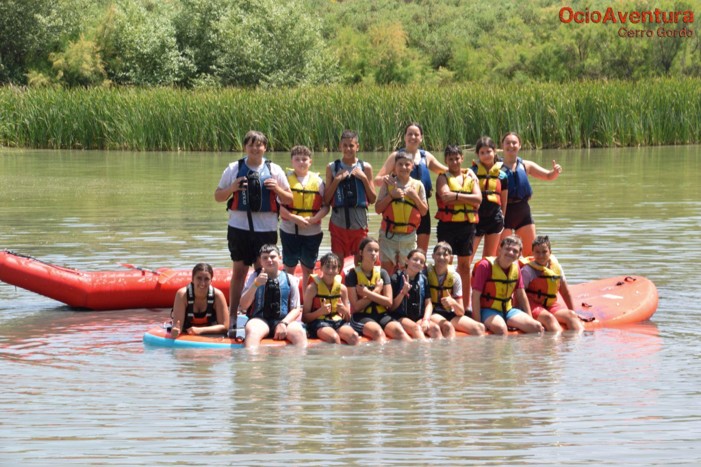
A new environment changes familiar classroom dynamics. Students who do not normally work together may share a team, support one another and notice different strengths in their classmates.
Cooperative activities can improve respect, communication and inclusion when the tasks are adapted to the group.
Listening, taking turns and communicating
In rafting, orientation and team games, everyone speaking at once does not work. Students practise listening to instructions, waiting for their turn and sharing information clearly.
Teamwork with a real purpose
Teamwork becomes concrete rather than theoretical. A raft moves more effectively when everyone paddles in rhythm and follows the guide. During an orientation challenge, different students may contribute observation, memory or map-reading skills.
Cooperation does not mean everyone performs the same role; it means each person contributes to a shared goal.
Independence and personal responsibility
Looking after equipment, getting ready on time, following rules and making simple decisions all build independence. Students see that their choices affect the whole group.
Responsibility should be progressive and age-appropriate. Teachers and instructors supervise while allowing students to take an active role.
Confidence through manageable challenges
An adventure day provides controlled challenges: wearing technical equipment, entering a raft, trying archery or completing a route. Success can build confidence, particularly when students receive support without pressure to compete.
Participation should respect individual pace. The learning comes from trying, listening and progressing, not from forcing a student through a task that causes distress.
Safety, rules and emotional awareness
Students learn that safe adventure depends on rules, suitable equipment and attention. Following an instructor links responsibility directly with enjoyment.
They may also experience nerves, excitement or uncertainty. Recognising and managing these emotions with support is part of the learning process.
What teachers can observe
The day can reveal leadership, cooperation, independence, frustration tolerance and willingness to ask for help. These observations may support later tutorial or classroom work.
A short group review at the end helps turn experience into learning: what worked, how the group solved problems and what they would do differently next time.
Adapting the day to different ages
Primary-age students usually benefit from short challenges, simple instructions and playful activities. Secondary students can take on more independence, rotating responsibilities and more complex cooperative goals.
The programme should reflect group size, age, additional needs, available time and the school’s educational aims.
Quick comparison
| Learning area | How it develops | Example |
| Teamwork | Coordination and shared roles | Paddling together or completing an orientation task |
| Independence | Looking after equipment and making simple decisions | Getting ready and organising belongings |
| Confidence | Progressive challenges and group support | Trying a new activity |
| Relationships | Communication and peer support | Cooperative games and rotating teams |
| Responsibility | Following safety procedures | Listening to the instructor and using equipment correctly |
Frequently asked questions
Do students need previous experience?
No. Activities are explained from the beginning and adapted to the age, needs and level of the group.
Can the day focus on specific educational goals?
Yes. Schools can identify priorities such as teamwork, communication, confidence, independence or group cohesion.
What if a student feels nervous or does not want to attempt a task?
Participation should be progressive and respectful. Instructors may adapt roles or offer alternatives where possible.
Can additional needs be accommodated?
Schools should provide information in advance so suitable adaptations, support and activities can be assessed.
Should the experience be discussed afterwards?
Yes. A short review helps students identify what they learned and connect it with everyday school relationships.
| REQUEST A TAILORED OUTDOOR ADVENTURE DAY Tell us the number and ages of students, your preferred date and the learning goals. Tel. +34 951 700 231 · WhatsApp +34 655 614 837 · info@ocioaventuracerrogordo.com |