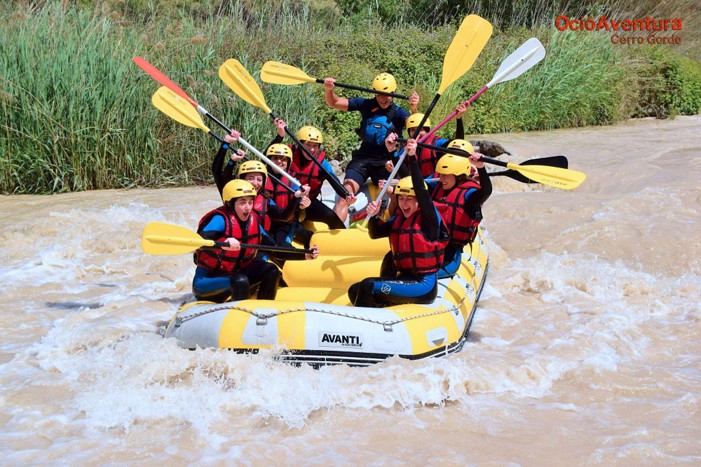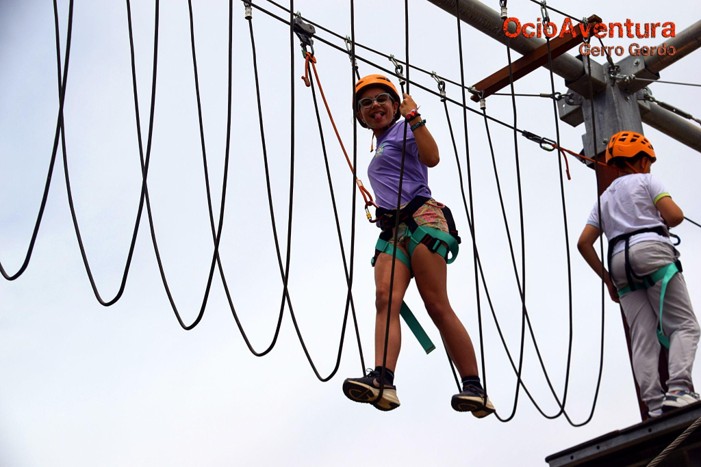
The safety of a school adventure trip begins long before students put on a helmet or step into a raft. Choosing the right provider, understanding the programme and sharing relevant information helps schools reduce uncertainty and make informed decisions.
These twelve questions help school leaders, teachers and parent groups review proposals for rafting, multi-activity days, orientation, archery and other outdoor experiences.
Safety is planned, not improvised
A safe trip depends on three parties: the provider must organise the activity properly; the school must supply information and supervision; and students must follow instructions and use the equipment correctly.
The questions below are not a replacement for formal documentation, but they provide a practical checklist when comparing proposals.
1. Is the provider properly registered to deliver outdoor activities?
Ask for the provider’s legal details and confirm who is delivering the service and taking technical responsibility for each activity.
2. What insurance covers the activity?
Request clear information about public liability and accident insurance, the general scope of cover and the process followed if an incident occurs.
3. What qualifications and experience do the instructors have?
The provider should explain the qualifications required for each activity, how staff are supervised and their experience of working with school groups.
4. What is the student-to-instructor ratio?
Ratios vary according to the activity, age group, location and conditions. The school should know how many students each instructor supervises and how subgroups are organised.
5. How is the programme adapted to age and ability?
Not every activity is suitable for every age. Review age, height, swimming, independence and instruction-following requirements, together with possible alternatives.
6. What technical equipment is provided and how is it checked?
Helmets, buoyancy aids, wetsuits, harnesses and other equipment should suit the activity and participant. The provider should have inspection, cleaning and replacement procedures.
7. What medical or personal information does the provider need?
Allergies, medication, injuries, disabilities, support needs or significant fear of water may affect participation. Relevant information should be shared early and handled confidentially.
8. What happens if weather or river conditions change?
Schools should know who makes the decision, when changes are communicated and what alternatives are available. The technical team must make the final operational decision.
9. Is there an emergency and first-aid procedure?
The provider should have first-aid equipment, communication methods, named responsibilities and procedures for contacting emergency services, assisting or evacuating a participant.
10. How are transport and internal transfers organised?
Separate transport arranged by the school from transfers included within the activity. Meeting points, timings, access, parking and student control should be clear.
11. What should each student bring, and what should be left behind?
The provider should supply a simple clothing, footwear, sun protection, food, water, medication and spare-clothing list, plus guidance on valuables and items unsuitable for water activities.
12. What written information will the school receive before confirming?
A complete proposal should cover activities, schedule, price, inclusions, requirements, insurance, change or cancellation terms and contact details. Clear written information prevents later confusion.
How to use this checklist before booking
Send the twelve questions together with student numbers, ages, preferred date and any support needs. This helps the provider prepare a more accurate proposal, and the school can keep the answers with the trip records.
It is also useful to name one school contact and one provider contact to avoid conflicting messages before and during the trip.
The role of teachers during the activity
Instructors lead the technical activity, while teachers retain their educational and pastoral role. They support group control, share relevant information and follow operational instructions.
Before starting, confirm attendance, medication, emergency contacts and the allocation of students to groups.
Quick comparison
| Area | Essential question | Expected information |
| Provider | Is it registered and clearly identified? | Legal details and service lead |
| Cover | What insurance is included? | Public liability and accident information |
| Supervision | What qualifications and ratios apply? | Technical staffing for each activity |
| Participation | How is the programme adapted? | Requirements, alternatives and group allocation |
| Emergencies | What procedure would be followed? | First aid, communication and evacuation |
| Organisation | What is included and what must the school provide? | Written proposal, schedule and equipment list |
Frequently asked questions
Is asking about insurance enough?
No. Insurance matters, but schools should also review the provider, instructors, equipment, ratios, participation requirements and emergency procedures.
Must the school share all medical information?
Only information relevant to safety and participation, using the school’s procedures and protecting confidentiality.
Can an activity change on the day?
Yes, when weather, river or safety conditions require it. The provider should explain who decides and what alternative may be offered.
Do teachers replace activity instructors?
No. Instructors lead the technical activity; teachers accompany students, support group management and retain their educational role.
When should documentation be requested?
Before final approval and early enough to answer questions, inform families and obtain permissions.
| REQUEST A SAFE, TAILORED SCHOOL PROGRAMME Tell us the ages, number of students, preferred date and activities of interest. Tel. +34 951 700 231 · WhatsApp +34 655 614 837 · info@ocioaventuracerrogordo.com |